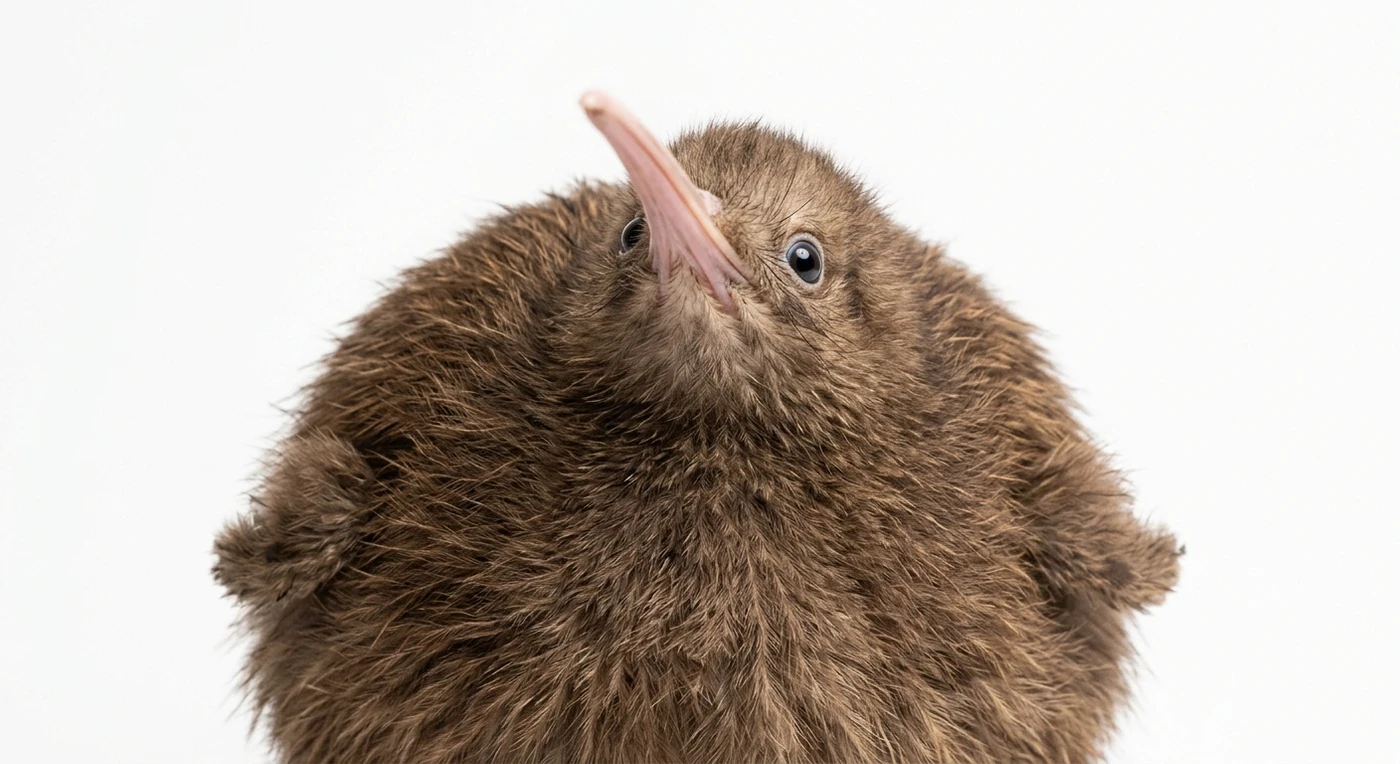
When veterinary assistants and laboratory animal caretakers ask us what AI actually changes, the first question we put back is the same one every time: which part of your week, if it disappeared, would change how you feel on a Friday? We start from that answer.
Built for the parts of the veterinary assistants and laboratory animal caretakers job that eat a Tuesday.
Our goal is to give veterinary assistants and laboratory animal caretakers a three-day weekend, so people can spend more time with their families and the people they love :)
By the numbers
0.04% of all Claude.ai conversations map to this kind of work (Anthropic Economic Index, March 2026). For context, Australia's overall AI usage sits at 4.11x its expected level and Canada at 4.37x (with Singapore leading at 5.53x) - adoption is already well ahead of the curve, so the edge goes to whoever turns it into a concrete workflow first.
Veterinary Assistants and Laboratory Animal Caretakers sits within Healthcare Support, one of the sectors we build production AI for.
Without Kiwi Dynamics
With Kiwi Dynamics
What changes for veterinary assistants and laboratory animal caretakers week to week.
- Handle bookings, recalls and reminders.
- Answer common patient questions.
- Draft intake and summaries.
- Reduce phone and paperwork time.
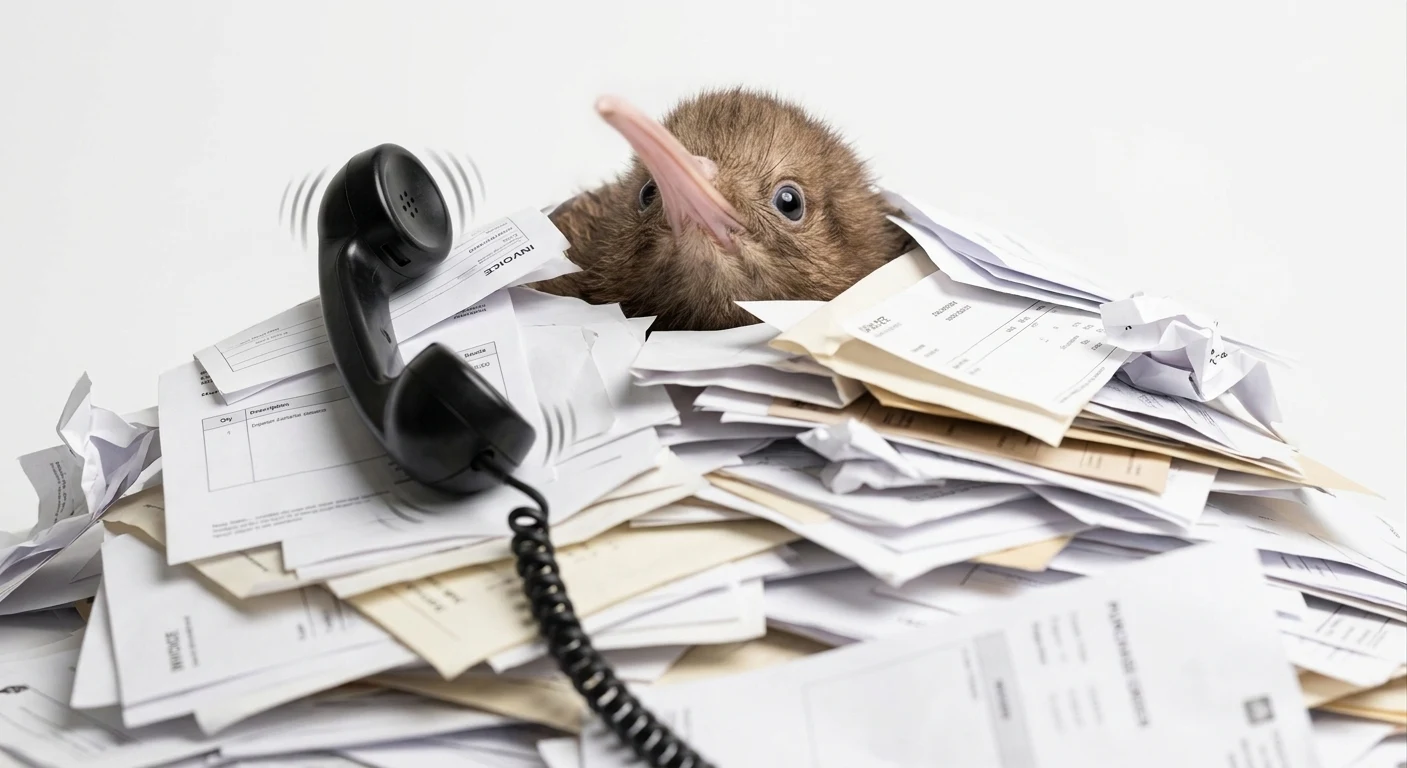
How we build AI for veterinary assistants and laboratory animal caretakers.
We scope narrow, ship a working pilot, then harden it into production. The first slice is the highest-leverage workflow for your team, so value lands before the build is finished. The durable wins augment a person rather than replace them - a human approves anything that matters.
Talk to usThe outcome for Veterinary Assistants and Laboratory Animal Caretakers
0.04% of all Claude.ai conversations map to this kind of work (Anthropic Economic Index, March 2026) For Veterinary Assistants and Laboratory Animal Caretakers, that almost always shows up as fewer interruptions and a calmer week, not a dashboard chart.
Not your typical AI agency.

Honest about what AI can and cannot do

Ships the one workflow that pays for itself

Hours given back, never the size of the invoice
*Every engagement is scoped and quoted up front. Results vary by workflow and business.
FAQ
How long does AI take to ship for Veterinary Assistants and Laboratory Animal Caretakers?
We aim for a working pilot inside 4-6 weeks - narrow scope, real Veterinary Assistants and Laboratory Animal Caretakers data, measurable outcome. From there it's another 6-8 weeks of hardening before you'd consider it production. Full rollouts (multiple sites, multiple teams) typically land in 3-4 months.
How do you price AI engagements?
Fixed-scope pilots first, then either project pricing or a small monthly retainer for the ongoing work. No long lock-ins, no 18-month black-box deals. Most Veterinary Assistants and Laboratory Animal Caretakers are surprised how small the first cheque is.
Anyone else in this space using AI?
Plenty. 0.04% of all Claude.ai conversations map to this kind of work (Anthropic Economic Index, March 2026) The interesting question is rarely "does it work" - it's "is your team ready to use the output." That's what we'd scope on the call.
Who owns the code and the model setup?
You do, on delivery. We deploy AI into your own cloud account where possible, with the model setup, prompts, evals and integration code all checked into a repo you own. Handle bookings, recalls and reminders sits in your account too - we don't operate it from ours.
Talk to us about this
Tell us what you're trying to do and we'll reply with how we'd build it - no obligation.