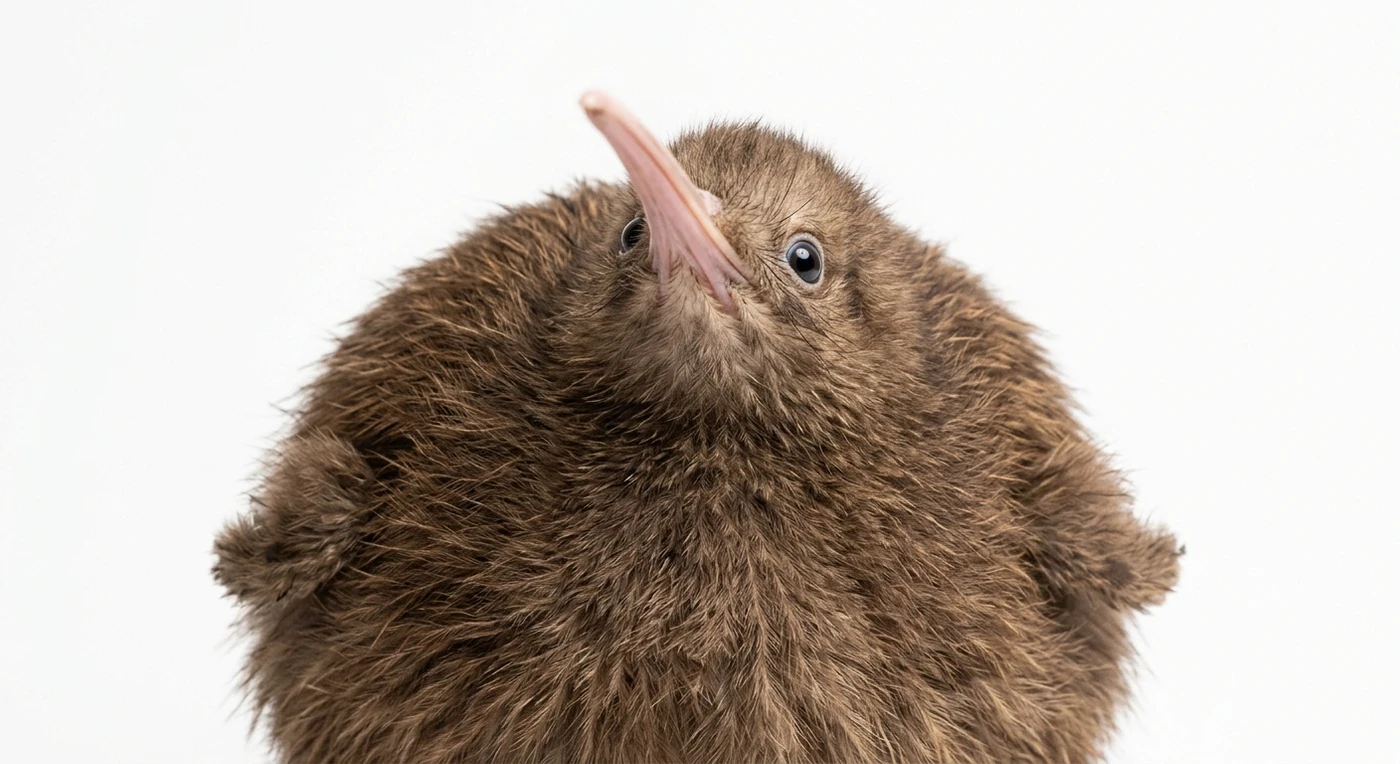
Most nuclear engineers we talk to aren't short of software - they're short of an hour back in the day. That's the lens we put on AI for this role: not a tech showcase, but a careful look at the one workflow where nuclear engineers are paying for the same problem to be solved twice.
What AI actually changes for nuclear engineers week to week.
Our goal is to give nuclear engineers a three-day weekend, so people can spend more time with their families and the people they love :)
By the numbers
0.02% of all Claude.ai conversations map to this kind of work (Anthropic Economic Index, March 2026). For context, Australia's overall AI usage sits at 4.11x its expected level and Canada at 4.37x (with Singapore leading at 5.53x) - adoption is already well ahead of the curve, so the edge goes to whoever turns it into a concrete workflow first.
Nuclear Engineers sits within Architecture & Engineering, one of the sectors we build production AI for.
Without Kiwi Dynamics
With Kiwi Dynamics
What changes for nuclear engineers week to week.
- Draft specs and documentation.
- Check standards and compliance.
- Summarise reports and drawings.
- Speed up calculations and reviews.
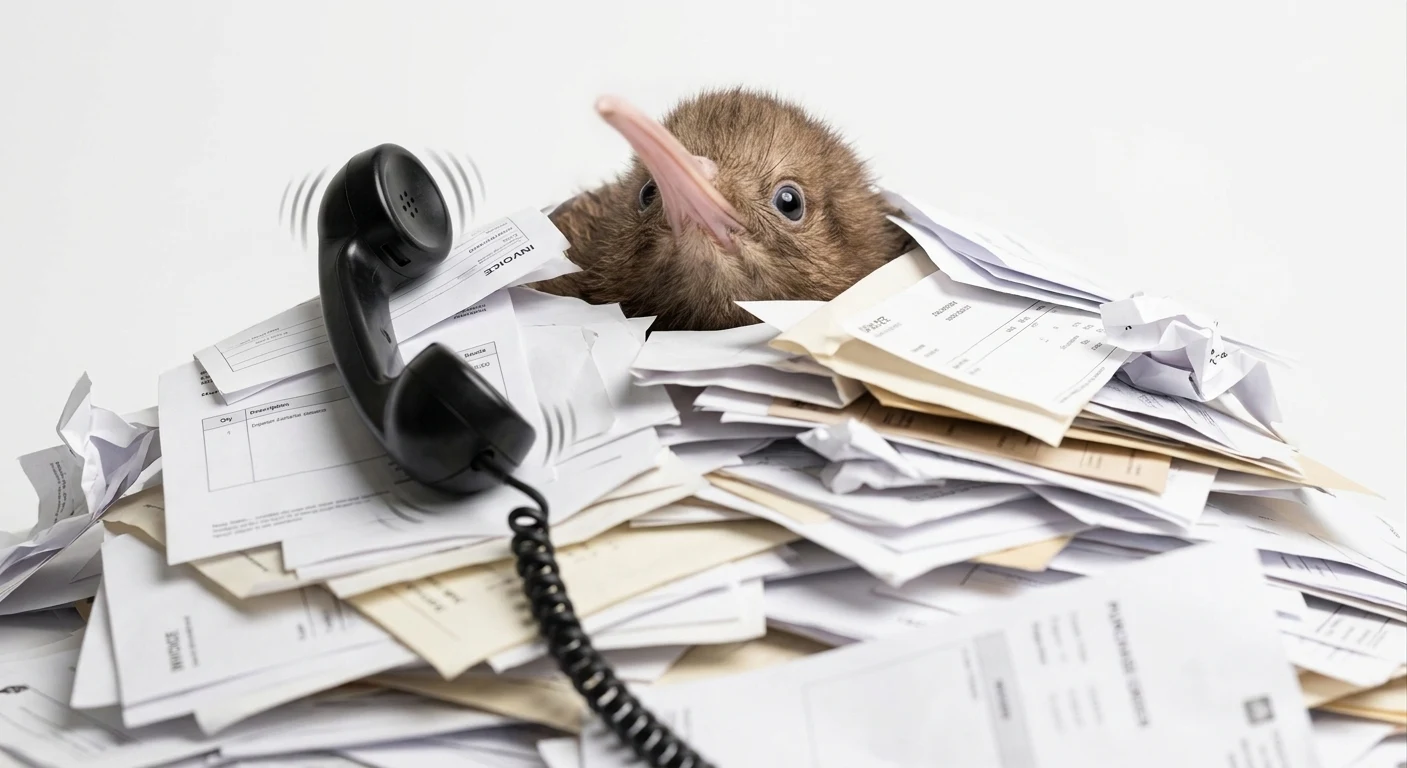
How we build AI for nuclear engineers.
We scope narrow, ship a working pilot, then harden it into production. The first slice is the highest-leverage workflow for your team, so value lands before the build is finished. The durable wins augment a person rather than replace them - a human approves anything that matters.
Talk to usThe outcome for Nuclear Engineers
What changes for Nuclear Engineers after this lands: the work that used to need a person stays done, the work that needs a person gets done with their attention undivided. 0.02% of all Claude.ai conversations map to this kind of work (Anthropic Economic Index, March 2026)
Not your typical AI agency.

Honest about what AI can and cannot do

Ships the one workflow that pays for itself

Hours given back, never the size of the invoice
*Every engagement is scoped and quoted up front. Results vary by workflow and business.
FAQ
How fast could we have AI in production?
Eight to ten weeks for most Nuclear Engineers. Faster if your data is in good shape and slower if we're untangling a legacy integration first. We'll give you a realistic number on the scoping call rather than the optimistic one.
What's the smallest engagement you'd take on?
A two-week paid discovery for Nuclear Engineers that aren't sure whether the build is worth doing at all. You get a one-page write-up of what we'd build, what we'd skip, and what it would cost. About 30% of those discoveries end with us recommending you don't proceed.
Do you have proof this works for Nuclear Engineers?
Direct case study: 0.02% of all Claude.ai conversations map to this kind of work (Anthropic Economic Index, March 2026) Happy to walk you through full numbers on a call.
What if our nuclear engineers team doesn't have any data ready?
Most don't. Getting the data into shape - ingestion, cleaning, the lightweight contracts you need before any model is useful - is part of the engagement. For AI specifically, we typically run that work on Draft specs and documentation, Check standards and compliance, Summarise reports and drawings, Speed up calculations and reviews and assume messy starting conditions from day one.
Twenty minutes, your call.
You describe what's broken. We'll tell you what we'd actually do about it.
Talk to us about this
Tell us what you're trying to do and we'll reply with how we'd build it - no obligation.