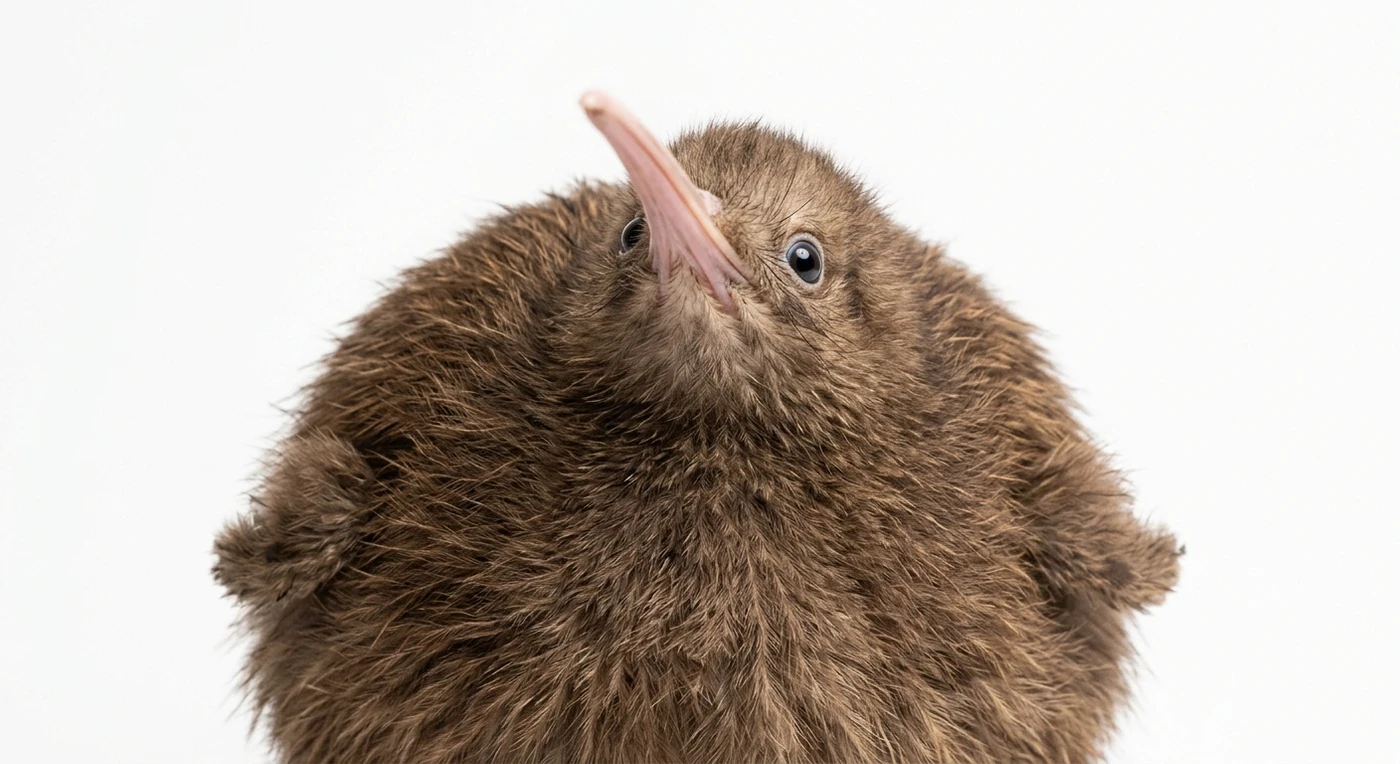
There's a version of "AI for art therapists" that gets bought off a shelf and quietly stops getting used inside a month. Then there's the version wired into the real workflow, owned by a person on the team, still in use a year later. We only build the second one.
Where AI actually helps art therapists, and where it doesn't.
Our goal is to give art therapists a three-day weekend, so people can spend more time with their families and the people they love :)
By the numbers
0.05% of all Claude.ai conversations map to this kind of work (Anthropic Economic Index, March 2026). For context, Australia's overall AI usage sits at 4.11x its expected level and Canada at 4.37x (with Singapore leading at 5.53x) - adoption is already well ahead of the curve, so the edge goes to whoever turns it into a concrete workflow first.
Art Therapists sits within Healthcare, one of the sectors we build production AI for.
Without Kiwi Dynamics
With Kiwi Dynamics
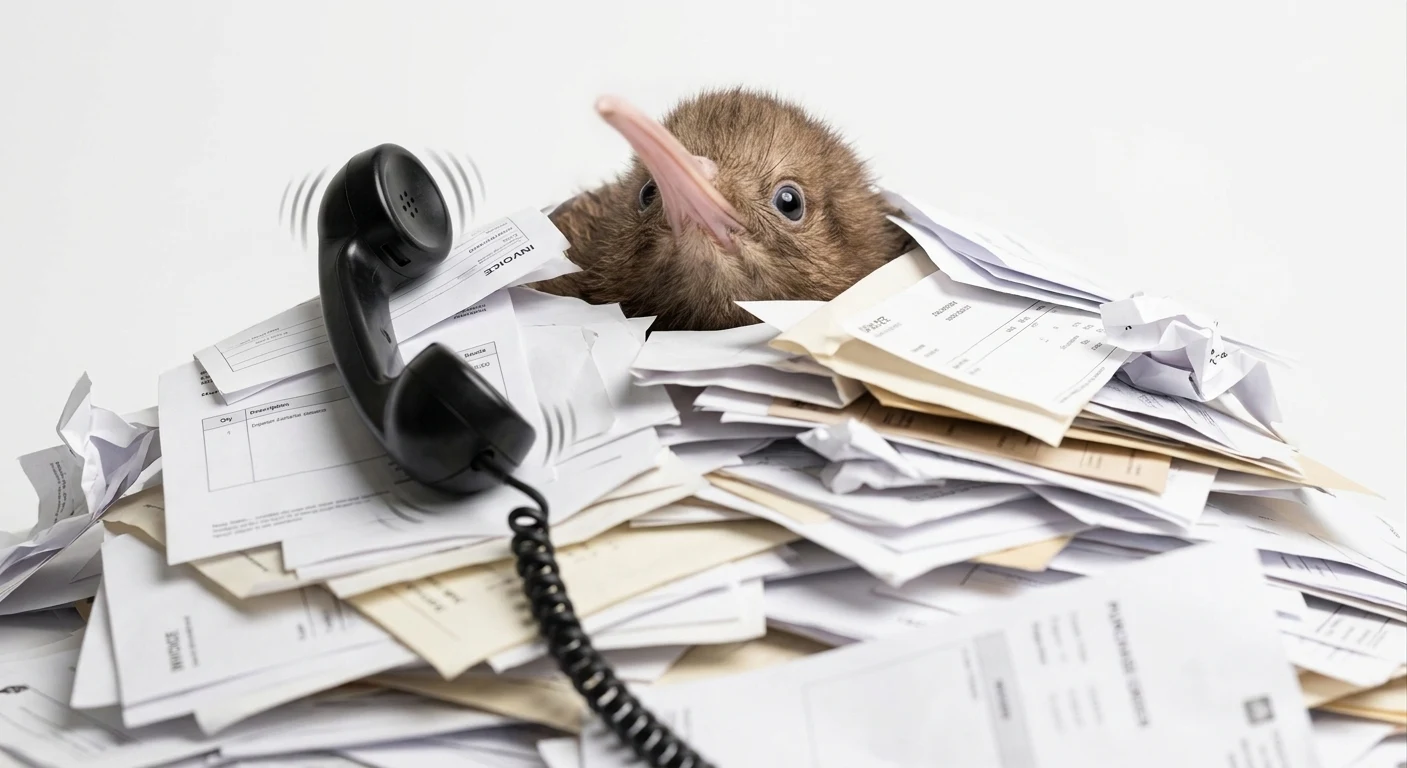
What changes for art therapists week to week.
- Handle bookings, triage and reminders by voice.
- Summarise notes in plain language.
- Answer staff questions over your protocols.
- Cut phone and paperwork time.
How we build AI for art therapists.
We scope narrow, ship a working pilot, then harden it into production. The first slice is the highest-leverage workflow for your team, so value lands before the build is finished. The durable wins augment a person rather than replace them - a human approves anything that matters.
Talk to usThe outcome for Art Therapists
If we build the right slice first, Art Therapists feel the difference inside the first month. 0.05% of all Claude.ai conversations map to this kind of work (Anthropic Economic Index, March 2026)
Not your typical AI agency.

Honest about what AI can and cannot do

Ships the one workflow that pays for itself
Hours given back, never the size of the invoice
*Every engagement is scoped and quoted up front. Results vary by workflow and business.
FAQ
How quickly can we see something running?
Week three for a clickable internal demo against real data. Week six for a slice your team can actually use. We hold ourselves to those numbers because they're what stops a project drifting into "endless discovery".
What's the smallest engagement you'd take on?
A two-week paid discovery for Art Therapists that aren't sure whether the build is worth doing at all. You get a one-page write-up of what we'd build, what we'd skip, and what it would cost. About 30% of those discoveries end with us recommending you don't proceed.
Anyone else in this space using AI?
Plenty. 0.05% of all Claude.ai conversations map to this kind of work (Anthropic Economic Index, March 2026) The interesting question is rarely "does it work" - it's "is your team ready to use the output." That's what we'd scope on the call.
What tools do you build AI on?
For AI we usually reach for Handle bookings, triage and reminders by voice, Summarise notes in plain language, Answer staff questions over your protocols, Cut phone and paperwork time. We're tool-agnostic at heart - we pick what your art therapists team team can actually run after we hand the build over, not what looks good on a vendor sticker.
One reply, one direction.
We don't run sequences or follow-up automation. One useful answer, one decision on your side.
Talk to us about this
Tell us what you're trying to do and we'll reply with how we'd build it - no obligation.